




Among the many emblematic sites of Corsica's rich heritage, there are few on the scale of the Governors' Palace. This impressive 15th-16th century fortress nestling in the heart of the old town is now the Museum of Bastia.
Once past the monumental Louis XVI gate of the Citadel, the walker is transported into another era. In the Piazza di a Corte, the narrow cobbled streets of Terra Nova invite you to stroll, but your gaze is immediately drawn to the drawbridge in the shadow of the Torrione. If you go any closer, you'll see the glass and steel entrance to the Musée de Bastia behind the heavy stone walls of the Palais des Gouverneurs.
The former residence of the Ligurian dignitaries, a landmark in the Genoese history of Corsica, was the multi-century seat of political power in the Superba. After the French annexation in 1768, the Palazzo was subjected to the ravages of time, in turn becoming the seat of institutions or a simple barracks. It was occupied by the German Army during the Second World War and partially destroyed before being abandoned by the enemy.
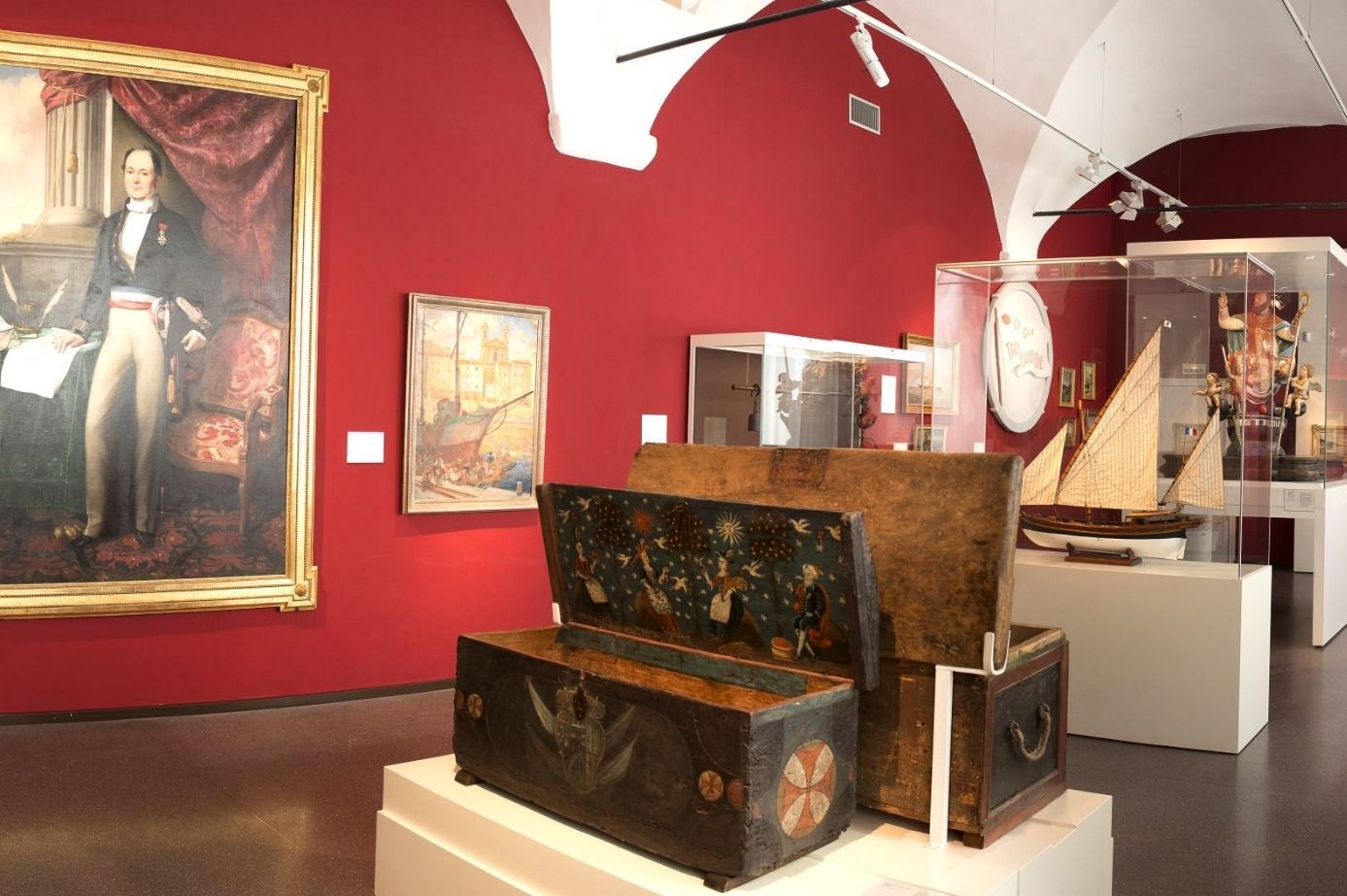
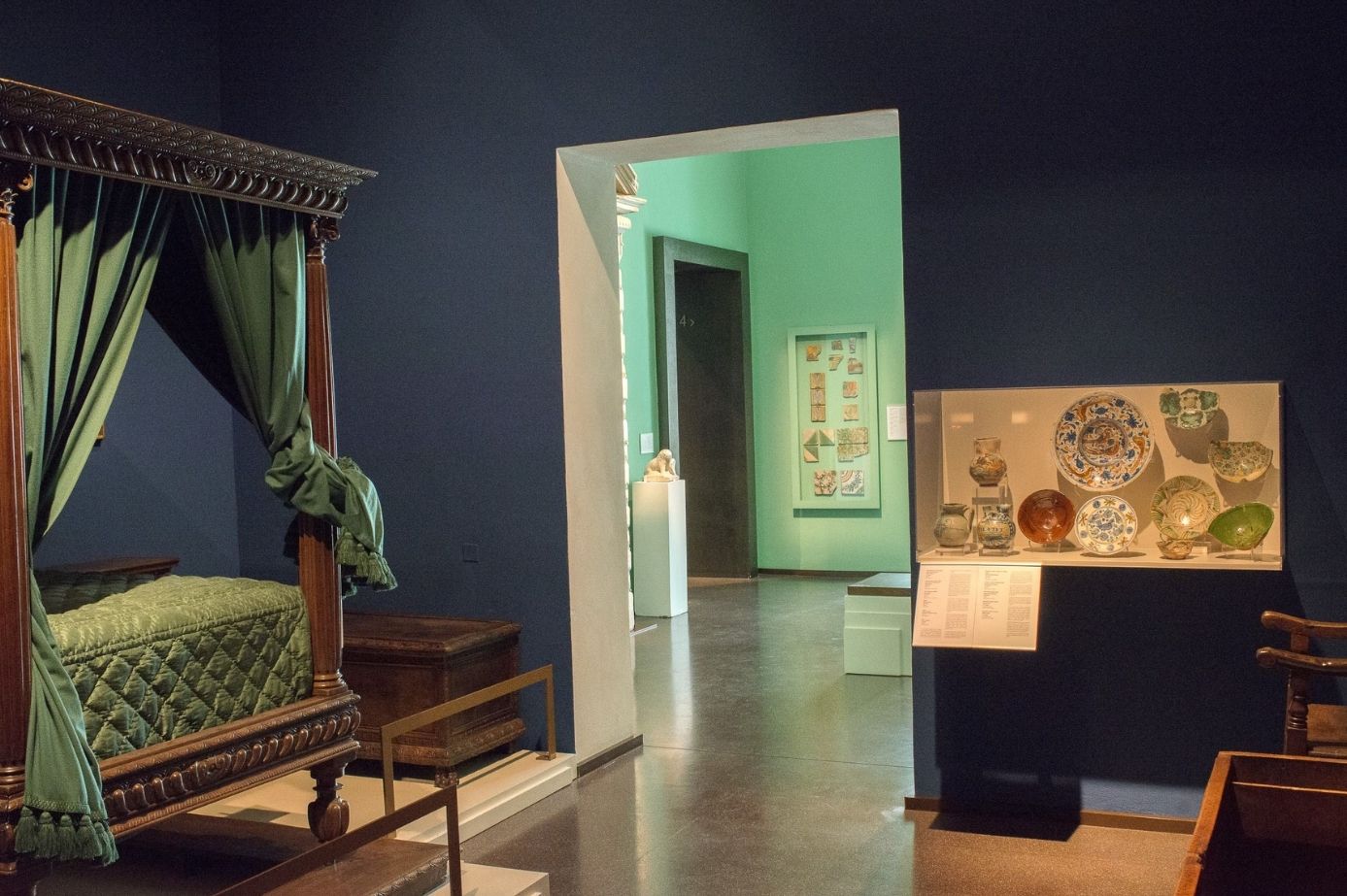
Since its reopening in 2010, the Musée de Bastia's historical vocation has been affirmed. While the museum's permanent display focuses on the town's seven centuries of history, it also illustrates the institution's determination to build a museography that reflects the wealth of Corsican history as a whole. The fine arts stand gracefully alongside archaeological artefacts, polychrome wood from sailors' chests and religious statues. Part of Cardinal Fesch's famous collection includes jewels from the Italian schools of the modern period.
Every year, the Musée de Bastia works in collaboration with institutions from all over the world, to offer visitors a temporary exhibition on rich and original themes that push back the geographical limits of the Island of Beauty and bear witness to its openness to the world.
Visitors can round off their cultural walk with a stop in the Museum's hanging gardens, a veritable jewel case of greenery on the edge of the ramparts. Here, visitors can enjoy a breathtaking view of the Old Port of Bastia and the Tuscan archipelagos, in keeping with Bastia's reputation as a city between sea and mountains.