
Traditions & beliefs
When you immerse yourself in the traditions of the Bastia region, you really get a feel for the authenticity of Corsica. Punctuated by the religious calendar, Bastia and the surrounding villages are enlivened all year round by celebrations not to be missed during your stay. Follow this calendar of highlights to experience the atmosphere of Corsican traditions. They are a wonderful blend of music, song and culinary specialities that bring the people of Bastia together day after day.
Share this article?
- In Bastia, the whole year is punctuated by religious festivals and popular traditions that are deeply rooted in local culture.
- Processions, sacred songs and culinary specialities enliven the town and its villages throughout the seasons.
- These events bring residents and visitors together to share a unique fervour and a typically Bastia way of life.

St Joseph's Day
If there's one festival not to be missed at Bastia, is St Joseph's Day, celebrated on 19 March. St Joseph is one of the city's patron saints, and the district named in his honour is celebrated on this day.
A not-to-be-missed rendezvous for the people of Bastia, the district is back in a festive mood, with children's games covered in confetti and gourmets feasting on the famous Panzarotti. Try them!
These are inimitable fritters made with chickpea or rice flour. The recipe is patented by our grandmothers, so you won't be able to eat them anywhere else!
Holy Week
A Settimana Santa in Corsica.
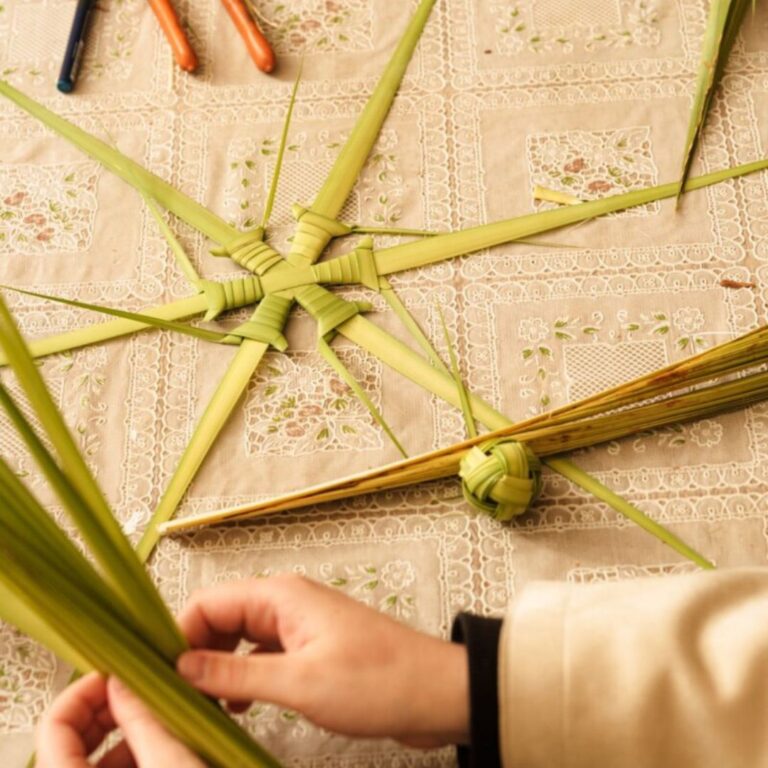
À Bastia, Holy Week celebrates the Passion and Resurrection of Christ through a series of commemorations. From Palm Sunday to Maundy Thursday and Good Friday, this is a time of great religious tradition in the town. Small crosses woven from palm branches (Crucette) are handed out to the faithful at Palm Sunday mass, as a sign of goodwill and protection. Once again, culinary specialities are given pride of place, with a Corsican pastry specially made for Easter: the Campanile. A delicious plaited brioche topped with a hard-boiled egg and sometimes flavoured with lemon zest.
The villages of the Pays Bastiais also celebrate Holy Week with special processions. At dawn on Good Friday, all the confraternities of the communes of the Pieve de Lota, such as Figarella, San Martino di Lota or even Mandriale set off on a procession from village to village. The confreres follow the Way of the Cross from hamlet to hamlet, carrying relics, lanterns and crosses topped with Pulezzule, woven palm art objects made by the locals.
La Sainte ZITA
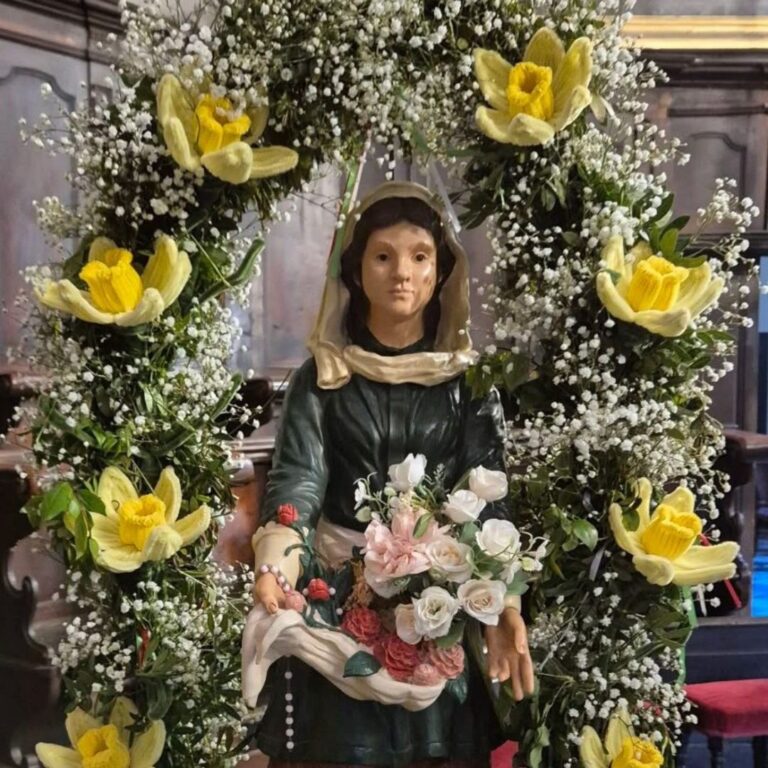
Patron saint of gardeners and florists, Saint Zita is celebrated at the church Saint John the Baptist all 27 April. At the end of the ceremony, each member of the faithful takes away a blessed bouquet of flowers. The story of this saint is a touching one: a servant in a wealthy Italian family, at every meal she carried the leftovers from her masters' table in her apron to give to the poor. One day, her suspicious boss threatened her with the worst punishment and asked her to open her apron. When she did, flowers fell out. In the past, on Saint Zita's day, the Bastia market square was littered with myrtle branches that members of the Société des jardiniers traditionally cut down in the village of Furiani.
The Procession of the Black Christ of Miracles
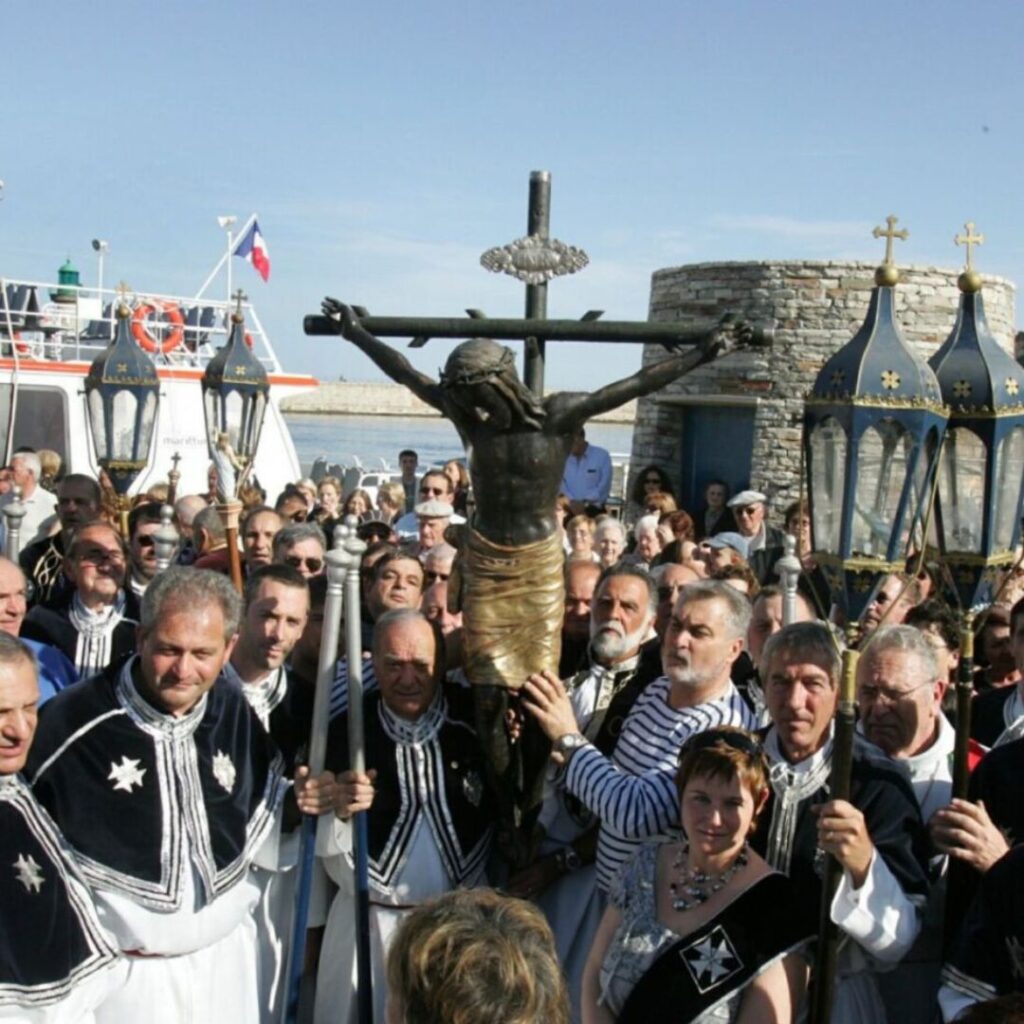
In May, traditions celebrate the sea. The people of Bastia honour the Black Christ of Miracles every 3rd May.
Fishermen, brotherhoods and worshippers gather in a procession that leads to the Old Port of Bastia where the traditional blessing of the sea takes place.
The Feast of Saint Anthony
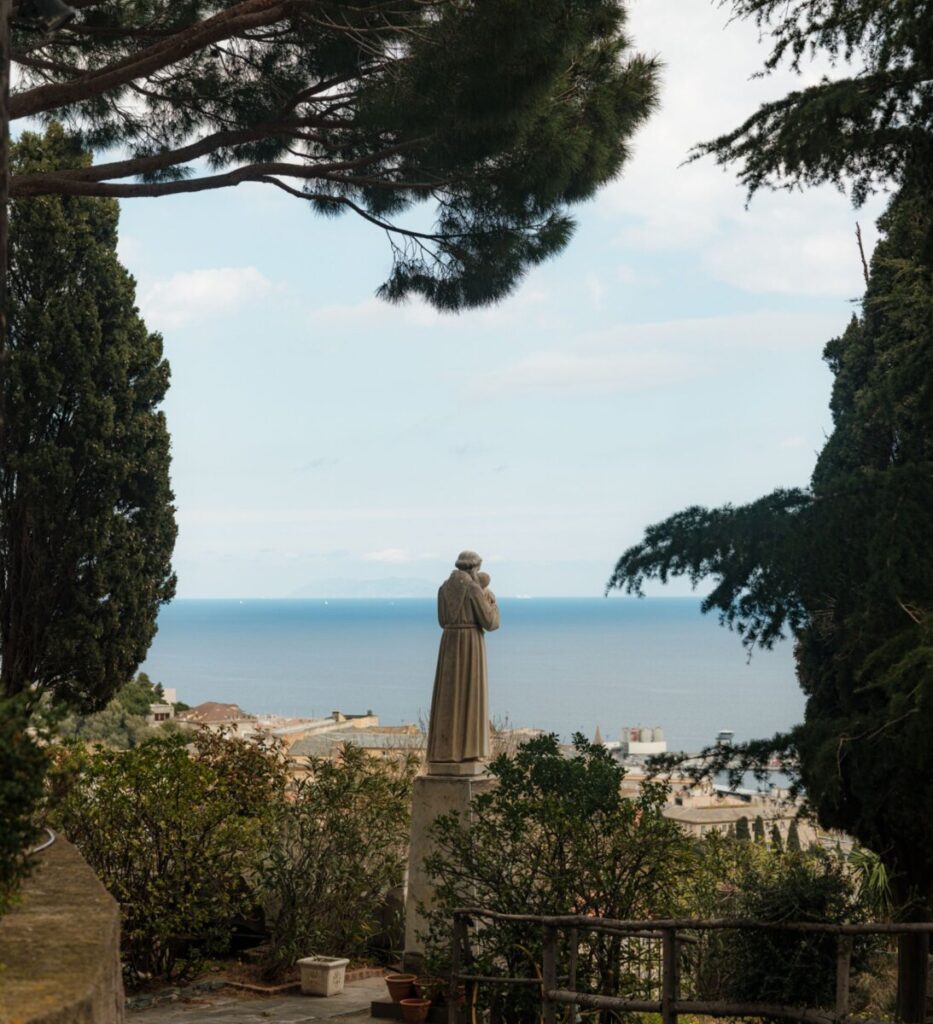
Bastia has many patron saints! Like Saint-Antoine, who is celebrated on 13 June. If you're beginning to know a little Bastia, You'll have no trouble guessing that the commemorations are taking place in the area of the same name, in Saint-Antoine, on the heights of Paris. Bastia. You'll love the festive atmosphere as summer approaches, with fairs, masses and processions around this magnificent 16th-century convent.
The Feast of Saint-Jean Baptiste
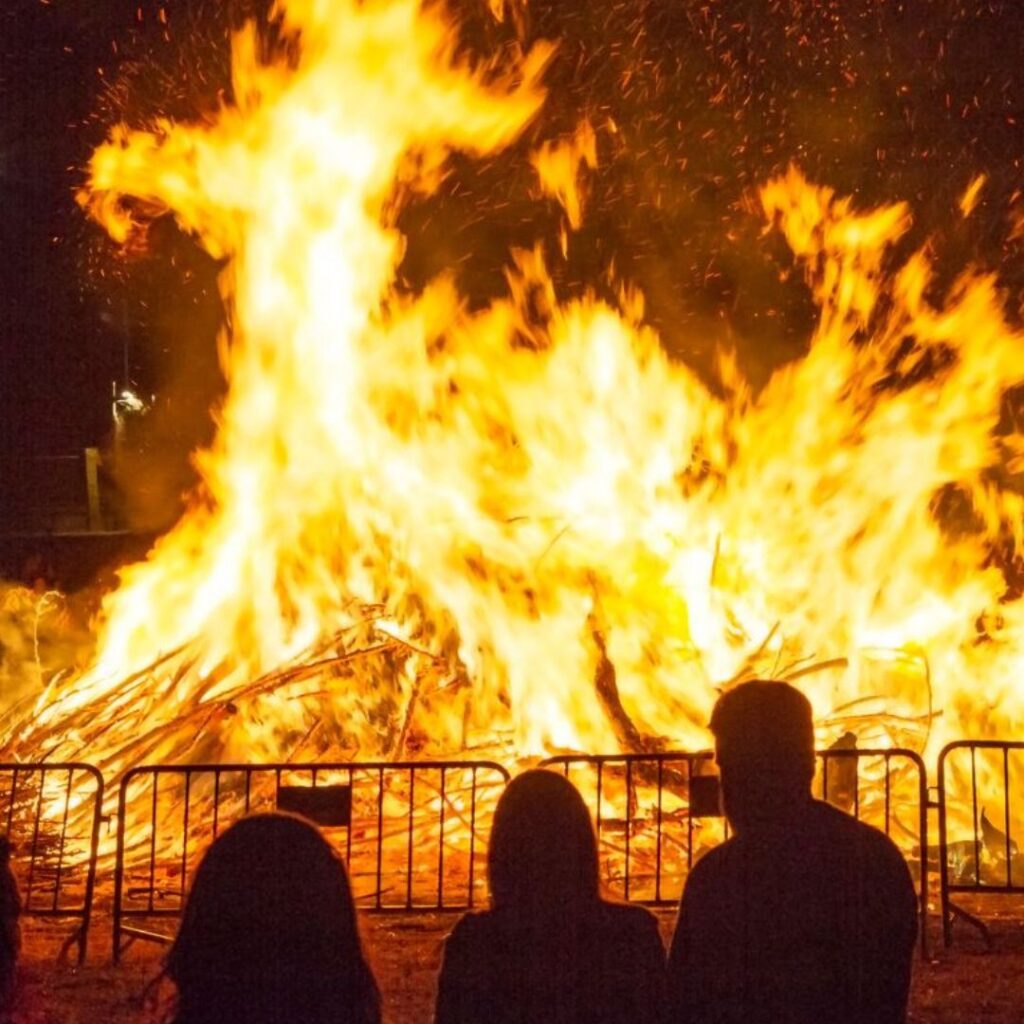
With the Fugare, The festivities begin on 23 June with the traditional Midsummer bonfire! In the cove of Old Port, a gigantic bonfire is lit to celebrate Saint-Jean-Baptiste, at the foot of the Citadel. The atmosphere was magical on this summer's evening. The following day, the church of Saint-Jean-Baptiste hosts a succession of masses and processions until the evening. Don't miss them, in this church, the ccorsican sacred songs resonate with the beauty of the place.
The Assumption celebrations
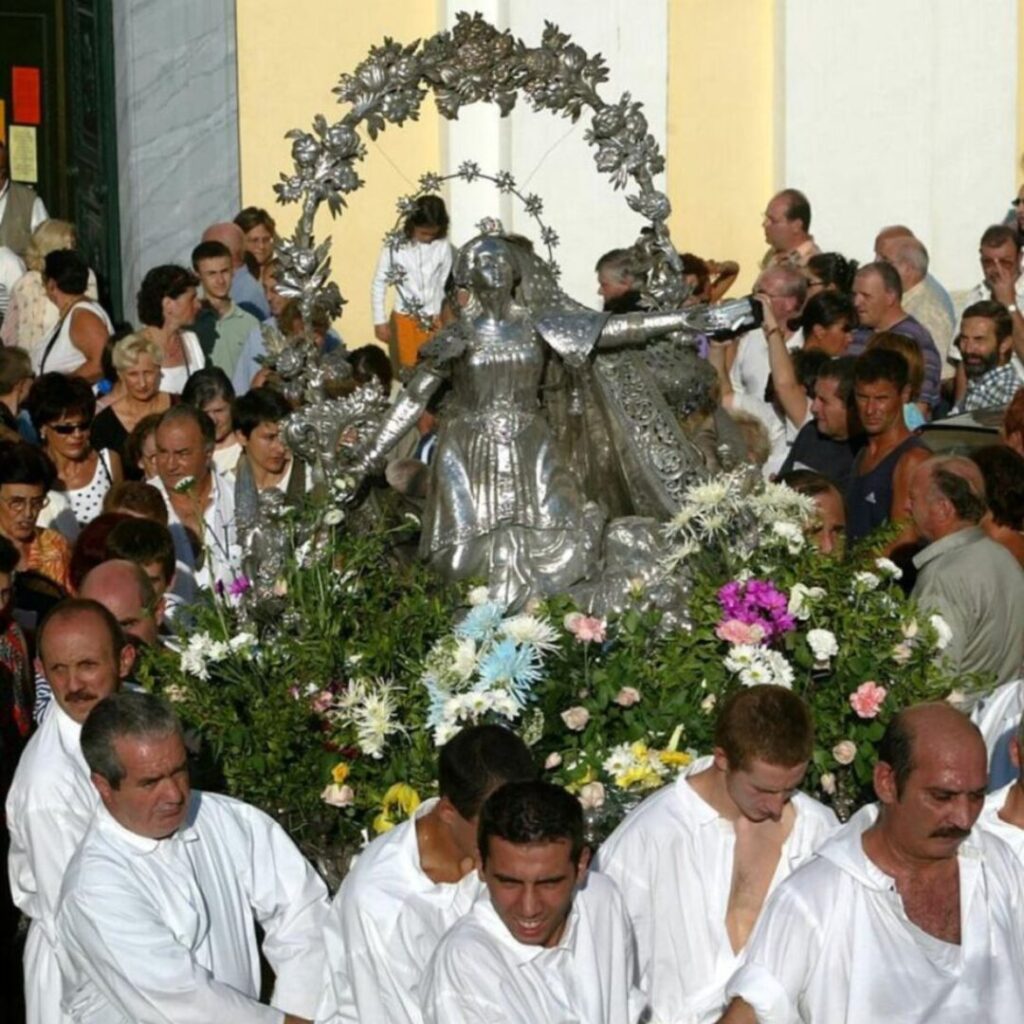
In the middle of summer, Bastia comes alive for the Assumption celebrations on 15 August. An imposing solid silver statue of the Virgin weighing almost half a tonne is carried in the annual procession through the narrow streets of the old town. Seeing the strength of the men carrying the statue is always impressive, even when you've been watching it for years.
The Feast of Saint-Roch
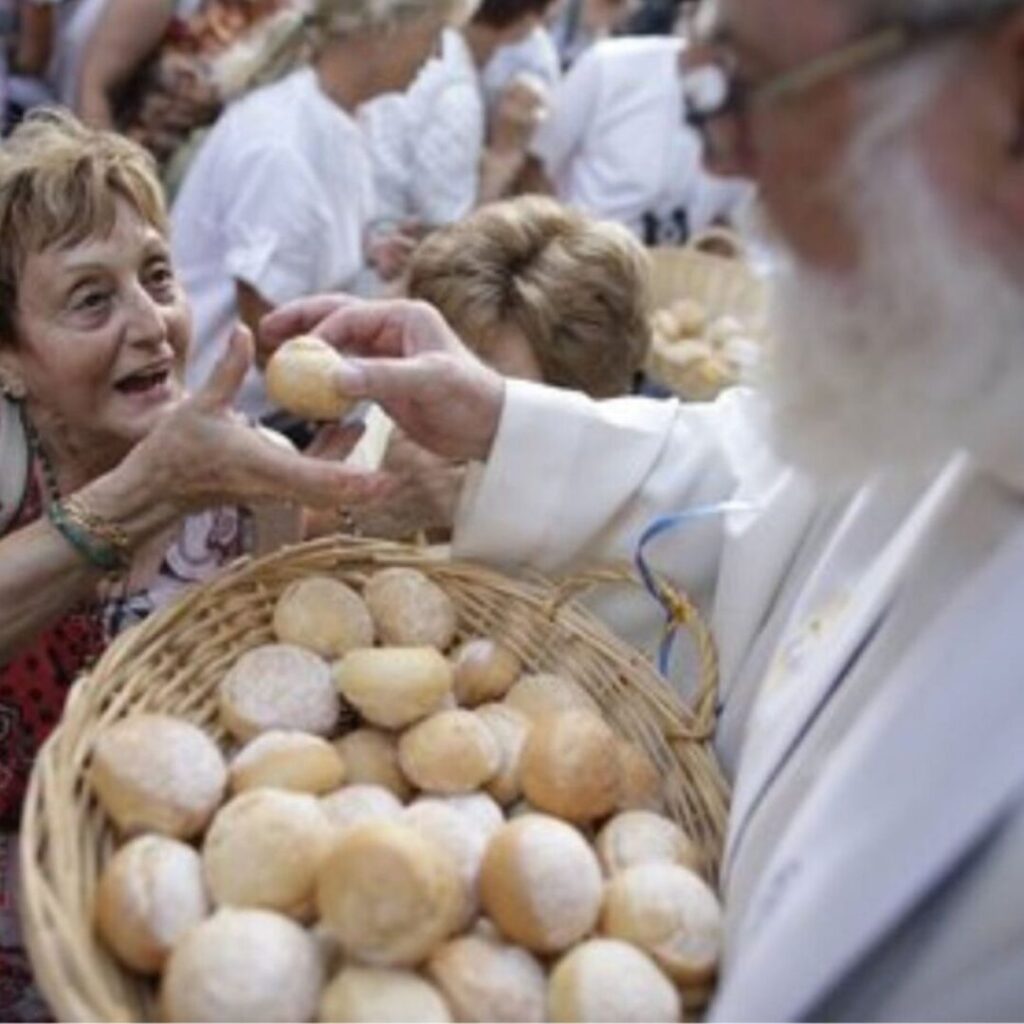
The day after the Assumption, the festivities continue! This time, the rue Napoléon comes alive with the’Saint-Roch Oratory. On 16 August, blessed bread rolls are distributed to the faithful after mass. They are said to provide protection against epidemics and lightning strikes. On Saint Anthony's Day (13 June), blessed bread rolls with the same virtues are also offered to the faithful.
All Saints' Day
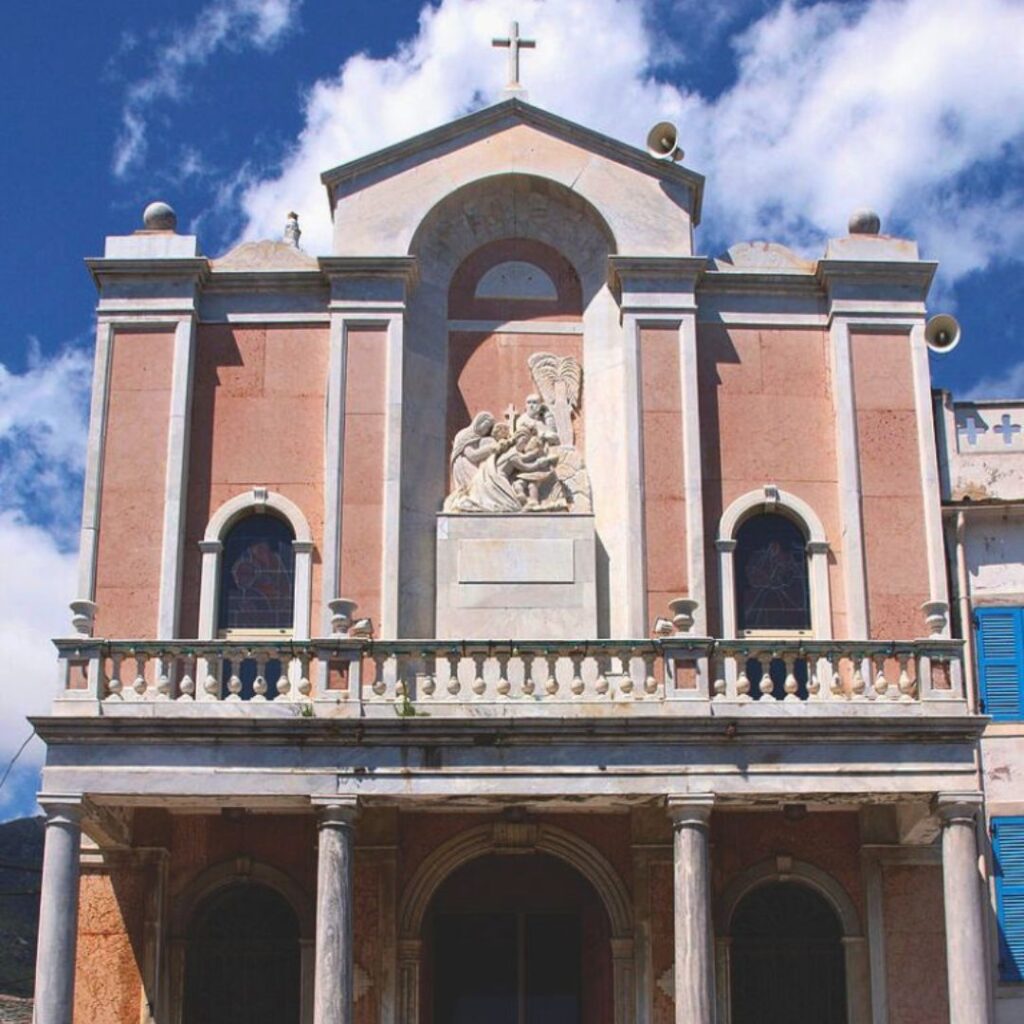
Corsican traditions in November are marked by the celebrations of All Saints' Day. On 1 November, we celebrate I Santi, the feast of all the saints. The cemeteries of Bastia are lit up with candles and decorated with chrysanthemums. The atmosphere at this time of year is conducive to meditation and family spirit. Masses are punctuated by sumptuous Corsican songs to pay tribute to the departed.
À Bastia, For the occasion, we make a typical All Saints' Day recipe: the Salviata This is an S-shaped cake traditionally flavoured with sage. You can try it in any of Bastia's patisseries, at the traditional Sunday morning market or in local shops.

The Feast of the Nativity at Our Lady of Lavasina
Every 7 and 8 September, thousands of people travel from all over Corsica to Lavasina to attend the celebrations of the Nativity of the Virgin Mary. The Corsicans call this place «Notre Dame de Lourdes» (Our Lady of Lourdes) because of the miracles that are said to have taken place there. At nightfall on 7 September, a large procession presided over by the Bishop of Corsica takes place from one end of the beach to the other opposite the church, followed by a mass. The following day, masses are held throughout the morning and evening, with another procession in the late afternoon.
St Martin’s Day
Celebrated on 11 November, St Martin’s Day – or San Martinu in Corsica – traditionally marks the end of the farming season and the start of winter. This popular festival, deeply rooted in the island’s culture, is associated with bountiful harvests and sharing. According to an old Corsican saying, « In San Martinu, every must becomes wine » («On Saint Martin’s Day, all must has turned to wine»), reminding us that the new wine is now ready to be tasted. In Bastia and the surrounding villages, this period used to be an occasion for families, neighbours and friends to gather for festive meals showcasing seasonal produce: chestnuts, cured meats, new wine and traditional pastries. More than just a calendar festival, San Martinu symbolises warmth, generosity and the deep bond that unites the Corsicans with their land and their traditions.
A Festa di a Nazione
Since 1735, 8 December has been the day on which the Corsican nation officially celebrates its national holiday: A Festa di a Nazione. This date marks the drafting of the Corsican constitution and the choice of the Corsican national anthem, the Dio vi Salvi Regina. To mark the occasion, festivities are being organised at Bastia to pass on the history of the island, at the same time as the celebrations dedicated to the Virgin Mary on 8 December. It's a great opportunity to discover the history of Corsica off the beaten track!
The feast of Saint Lucia in Ville di Pietrabugno
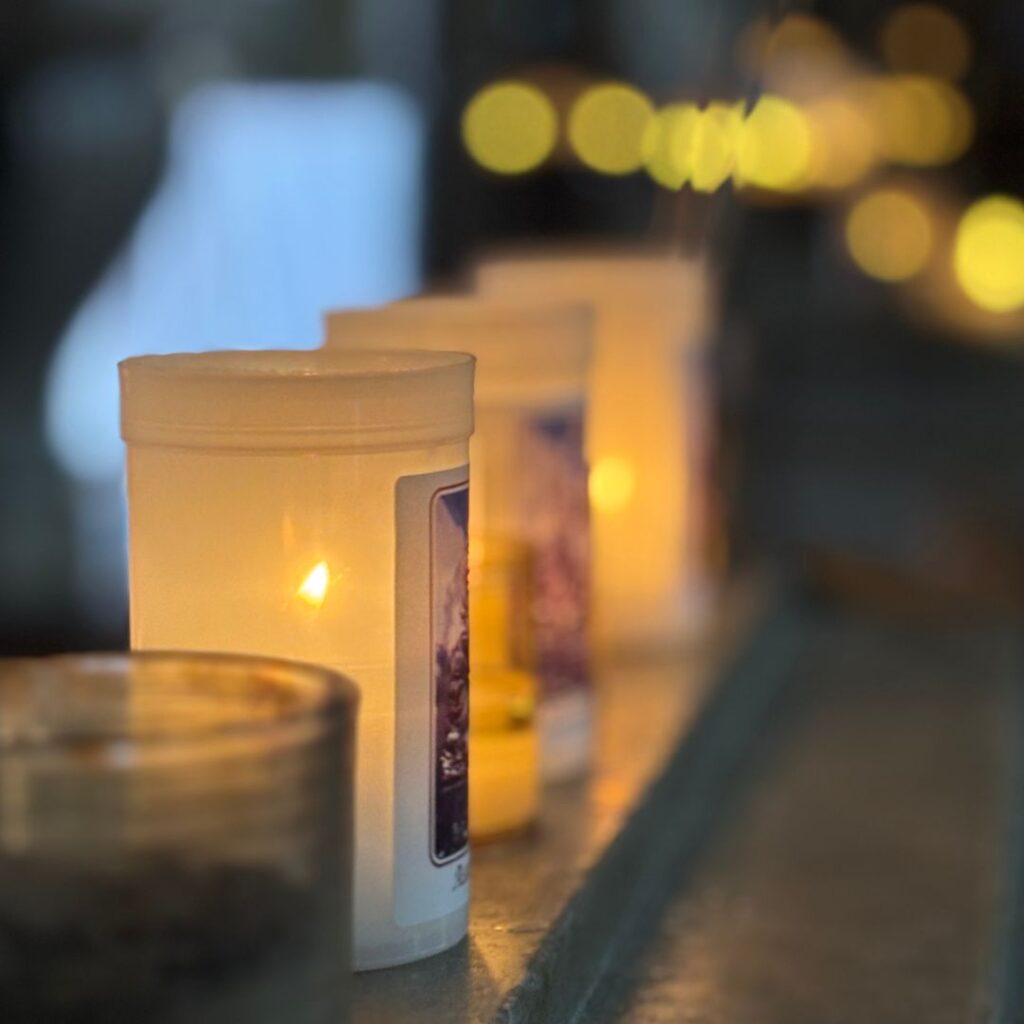
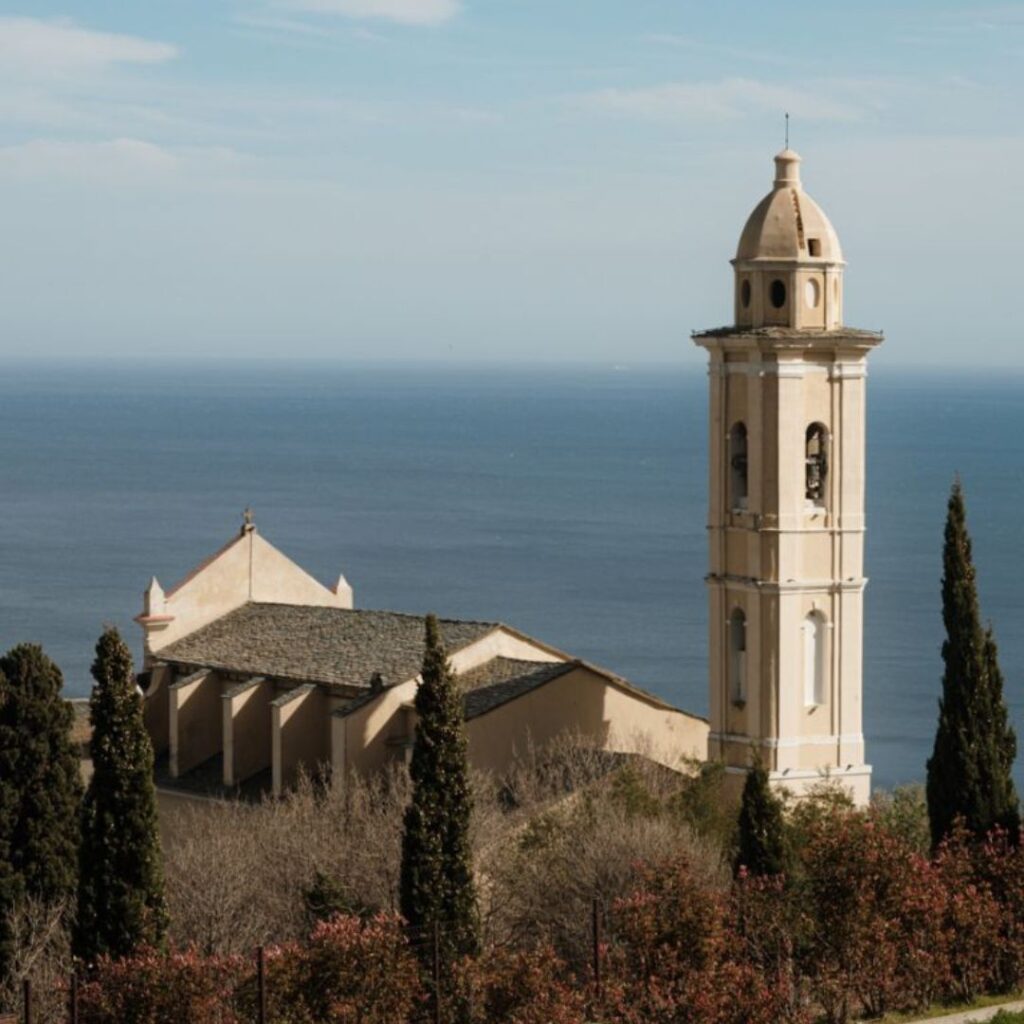
On the heights of Bastia, the municipality of Town of Pietrabugno dedicated his éparish church at Sainte-Lucie. On the feast day, 13 December, candles light up the building in honour of this saint dedicated to light (Lucia = Lux = Light). On the beaches, you may be lucky enough to find a small round shell in the shape of a spiral, known as the «Eye of Saint Lucia». It's said to bring good luck and protect against the evil eye!
Natale in Bastia
Christmas is a celebration in which religious and folk traditions continue to shape life in the city. Throughout the festive season, churches host numerous nativity scenes, whilst some parishes carry on the tradition of the live nativity scene, a moving re-enactment of the Nativity that brings locals and visitors together around a living spiritual heritage. The highlight of the celebrations, the Midnight Mass remains an unmissable event. In the town’s churches, the faithful gather to celebrate the birth of Christ to the sound of sacred hymns and Corsican carols, in an atmosphere steeped in contemplation and fervour. In days gone by, families would wait until after the church service to share their Christmas meal, making this night a time of fellowship as much as a time of celebration.
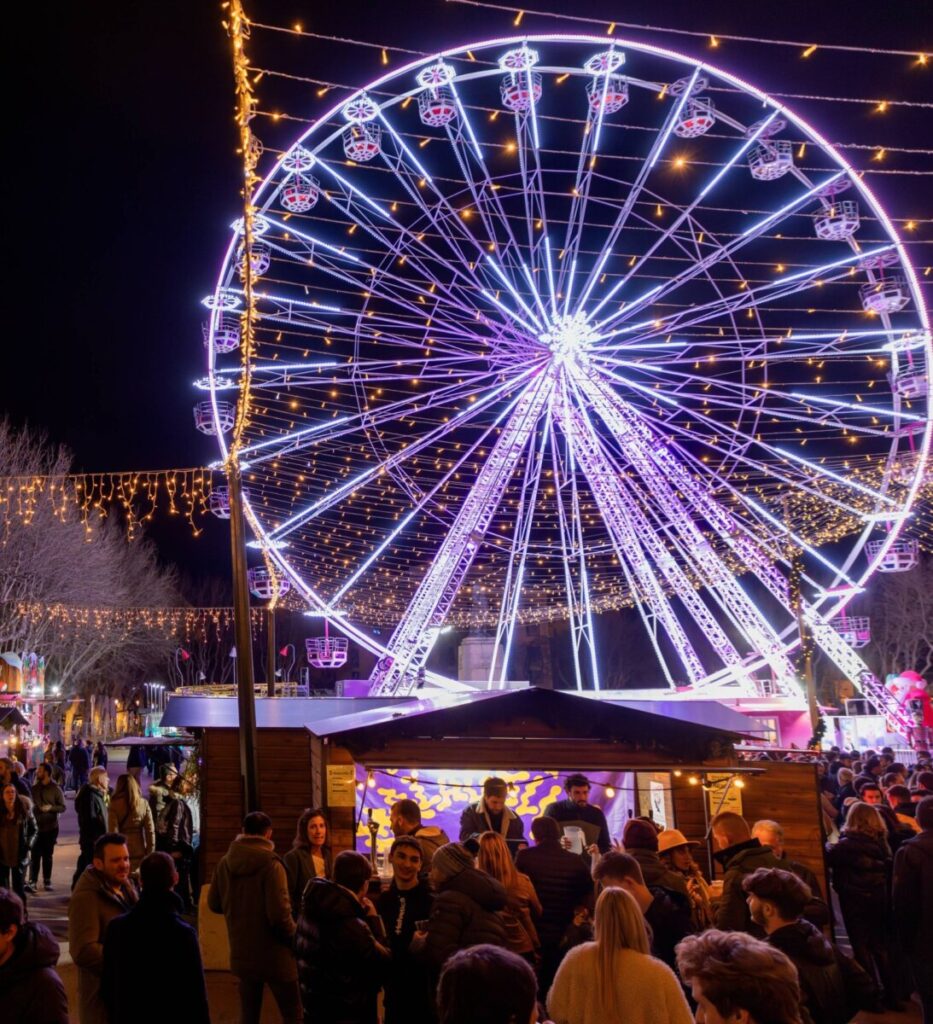
Even today, the festive lights, nativity scenes, Christmas markets and religious celebrations keep this heritage alive, making Christmas in Bastia a time for sharing, remembrance and passing on traditions.
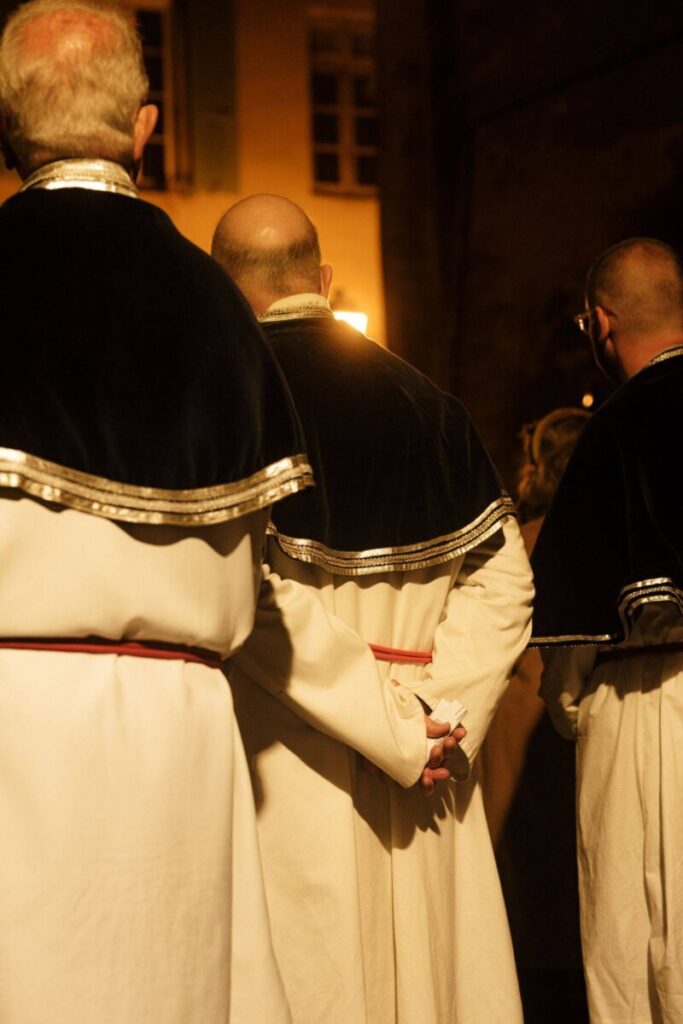
Brotherhoods and religious events, a land of beliefs and fervour
Deeply rooted in Bastia, Penitential brotherhoods were introduced into Corsica by the orders monastics at the dawn of the 15th century.
Through sacred polyphonic singing and rituals, these lay associations attached to the Church have been enjoying a new lease of life since the 1970s and have revived centuries-old traditions of worship.
From the patronal feasts of Saint John and Saint Joseph, to the Black Christ of Miracles and Saint Mary's Day, Bastia has become a mecca for Corsican spirituality, drawing hundreds of worshippers through the streets in procession to the rhythm of sacred hymns.
The culmination of this fervour was the Settimana Santa (Holy Week) is a highlight of the liturgical calendar, bringing crowds to the resting places of the oratories to commemorate the Passion of Christ in cathedral-like silence.