
The theatre of today must be a theatre that speaks of today, a theatre that is both historical and contemporary, a theatre that speaks from within a world in flux, and that examines the ruts that this world—sometimes horrific—leaves in its wake. With heightened vigilance, it must ensure it does not fall behind, but rather forges ahead, constantly questioning current history, so as to give voice to new perspectives, in a new language, and remain a living form of expression, in the service of a living art.”
The company explores its own era by bringing it to the stage.
We are taking a gamble on the idea that we can create theatre that is more contemporary and controversial, in order to give the concept of “performing arts” its fullest meaning.
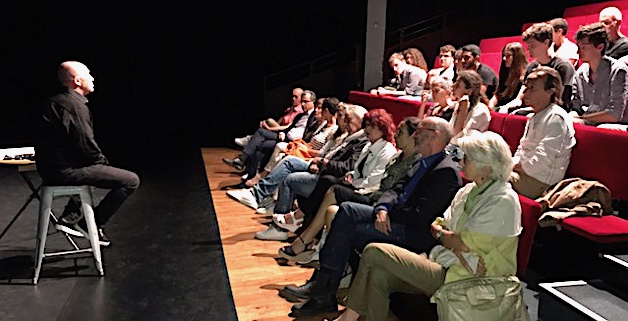
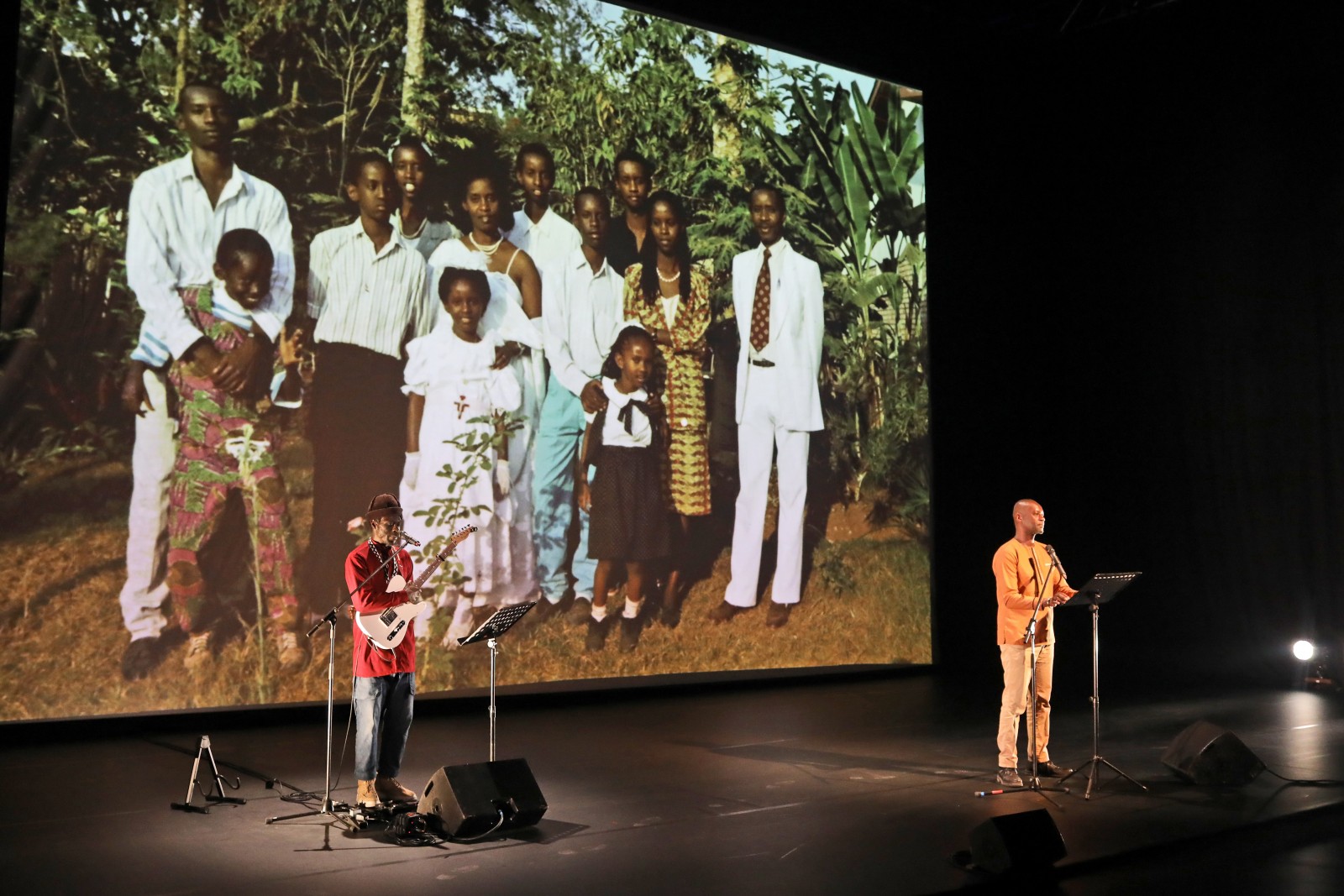
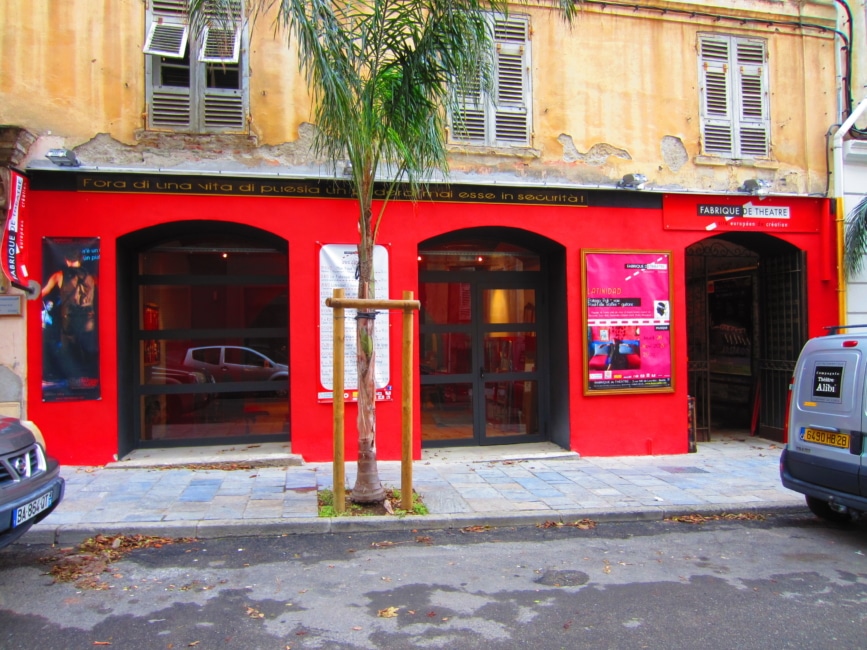
This approach is reflected in the company’s productions, the support it provides to other artistic teams (residencies at La Fabrique, co-productions or hosting), the international theatre festivals in which it takes part, and its training and support activities for amateur theatre groups.
It is vital and necessary that, alongside ritual theatre—which explores transcendence and the sacred—alongside certain formal experiments, and, finally, alongside the humanist legacy of the great repertoire, a form of theatre should develop that is directly engaged with its own time, a rebellious, critical theatre, attuned to the collective dramas of the present day, taking the risk of immediate engagement amidst the discomfort of contemporary ideological confusion.
It would be detrimental to the vitality of the theatre to leave it to the cinema to show us the suburbs in flames, the workers out of work, the repression that crushes the marginalised, and the various wars that shatter our dreams of brotherhood.
That would, of course, be to overlook the fact that Molière, Shakespeare, Marivaux, Labiche, Brecht, (…) were speaking of their own times, and to suggest that theatre remains an art form focused exclusively on its past, a snobbish ritual aimed primarily at the wealthy.
Yet theatre can be content – and that is no bad thing – simply to be modern, resolutely modern – “absolutely modern”, to use Rimbaud’s phrase – that is to say, both of its time and ahead of it, both illuminating and forward-looking; without excessive nostalgia for its past, which was undoubtedly glorious only because, at that time, the theatre took the risk of being a contemporary of its own age.